Amid the growing impacts of climate change and the energy crisis, the concept of architecture is no longer just a trend — it has become an essential solution for modern industrial buildings. Particularly in factories — which consume large amounts of energy and generate significant emissions — adopting green design is the key to reducing operational costs, enhancing corporate reputation, and contributing to environmental protection.
So, what exactly is green architecture in factory design, and how can it be implemented effectively? Below are five key design factors that engineers and architects should not overlook.
1. Optimize Natural Lighting

Lighting can consume significant electricity if not properly designed. Solutions such as skylights, high-level windows, low-E glass facades, or polycarbonate panels can maximize natural light while maintaining effective thermal insulation.
🌱 Benefit: Reduce lighting electricity costs by up to 40%, improve visual health, and enhance worker productivity.
2. Natural Ventilation and Smart Air Conditioning
Designing cross-ventilation systems, using wind louvers, high ceiling vents, and temperature sensors to control smart fans is an effective solution to naturally cool the factory.
🌱 Benefit: Reduce the load on mechanical air conditioning systems, save energy, and create a comfortable working environment.
3. Environmentally Friendly Building Materials
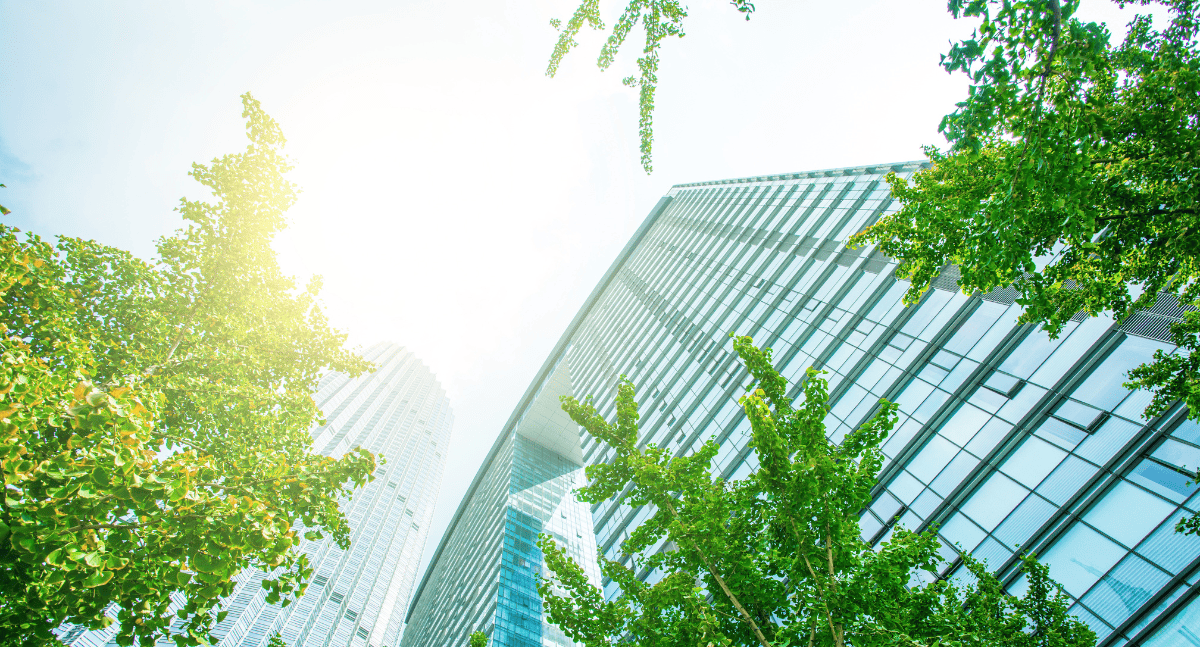
Choose recycled or renewable materials such as reused steel, insulated panels made of mineral wool, VOC-free paints, and non-fired bricks. These not only protect users’ health but also help reduce carbon emissions from the construction phase.
🌱 Tip: Request material suppliers to provide LEED or LOTUS certifications — international benchmarks for green building materials.
4. Rainwater Harvesting and Water Reuse Systems
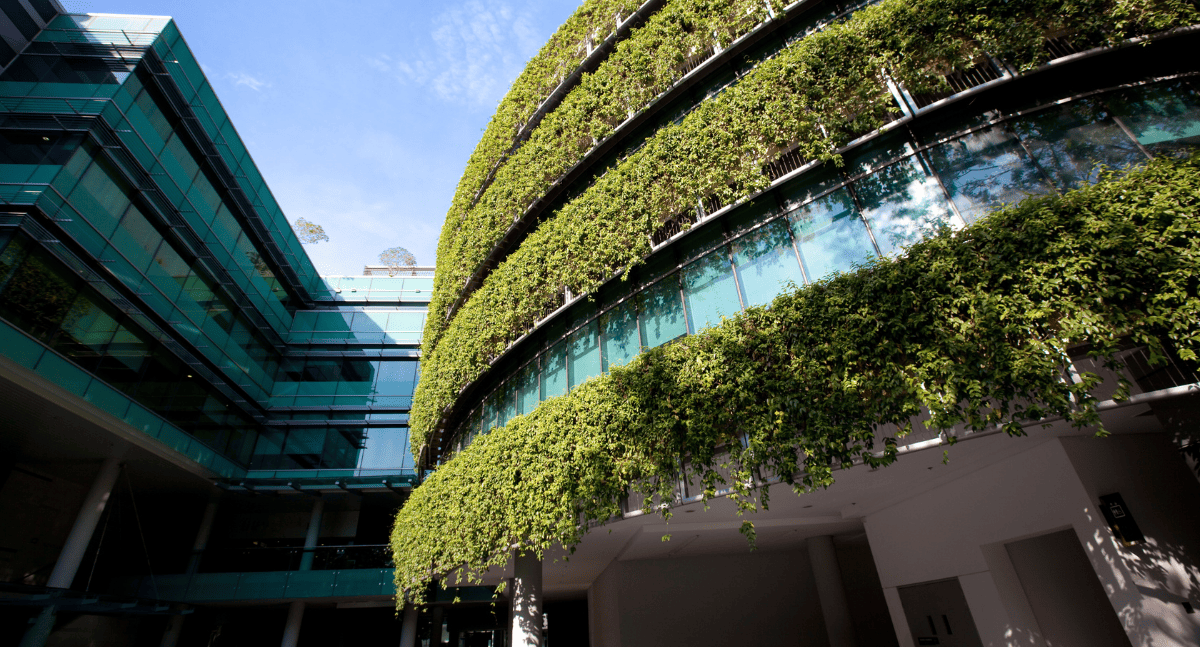
Integrating rainwater collection and filtration systems, and reusing treated wastewater for irrigation or cleaning, helps factories reduce dependence on municipal water — especially important amid growing water scarcity.
🌱 Benefit: Reduce water bills and meet sustainability standards during operations.
5. Applying BIM for Coordination and Energy Efficiency Control
Building Information Modeling (BIM) technology enables full simulation of energy consumption, airflow, and lighting, allowing optimization before actual construction. This is a crucial step toward achieving green building standards from the outset.
🌱 Benefit: Minimize design errors and reduce costly rework during construction.
Conclusion: Green Architecture Is Not a Choice – It’s a Competitive Advantage

Designing factories with green architecture not only reduces emissions and saves energy but also enhances brand reputation, increases competitiveness in international bids, and aligns with ESG standards – a growing priority in investment decisions.
👉 Have you applied any of these five green architecture factors before?
Leave a comment below or contact CMC Architects for consultation on green factory design — optimizing costs while meeting international sustainability standards.
📍 Address: 79A Xuan La, Tay Ho, Hanoi
📞 Hotline: 0936361299
📧 Email: cmc.vn1013@gmail.com
🌐 Website: https://cmcarchitects.com