1. Why Is Handrail and Railing Inspection So Important?

Railings and handrails may seem like secondary components, but they play a crucial role in both the safety and aesthetics of a building. Even a minor error during production or installation can cause safety risks and reduce the architectural value of the space.
Therefore, inspection according to international standards is not only a technical requirement but also a commitment to quality and safety for investors.
2. Common International Standards
Depending on the project type and location, some commonly applied standards include:
-
ISO 9001 – General quality management system.
-
EN 1991-1-1 (Eurocode) – Load and impact requirements for railings.
-
ASTM E985 – American standards for metal railing and handrail systems.
-
OSHA – Occupational safety requirements related to railings and handrails.
3. Standard International Inspection Process for Railings and Handrails

Step 1: Review Technical Documents
-
Design drawings, shop drawings, and material certificates.
-
Material test reports (steel, stainless steel, glass, coating, etc.).
Step 2: Assess Materials and Surface Finish
-
Materials meet specifications, thickness, and grade standards.
-
Smooth surfaces, no scratches, neat and continuous welds.
Step 3: Check Dimensions and Safety Height
-
Railing height per standards: typically 900–1100mm.
-
Gaps between bars must not exceed the safety limit (usually ≤100mm).
Step 4: Load Testing and Stability Verification
-
Apply horizontal and vertical loads as per ASTM or Eurocode standards.
-
Ensure the railing does not wobble or deform beyond acceptable limits.
Step 5: Evaluate Installation and Connections
-
Connections to floors or walls via bolts or welds meet safety standards.
-
No gaps or weak points compromising stability.
Step 6: Visual Inspection
-
Uniform color, no stains or peeling paint.
-
Harmonizes with the overall architectural design.
Step 7: Final Acceptance and Handover
-
Record all compliant and non-compliant items.
-
Provide corrective measures if necessary.
4. Common Issues Found During Railing and Handrail Inspection
-
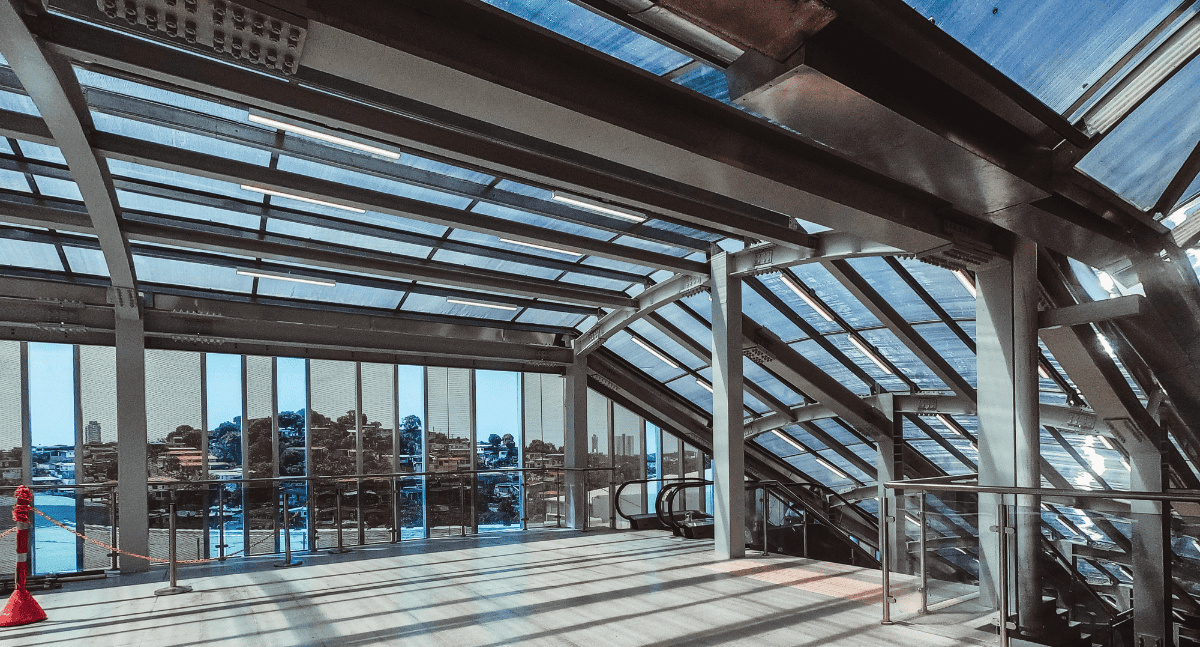
Incorrect height: Violates standards and poses safety risks.
-
Poor weld quality: Reduces durability and strength.
-
Wrong material specification: Directly affects safety and lifespan.
-
Skipped load testing: Can lead to structural failure during use.
5. Conclusion & Expert Advice from CMC Architects
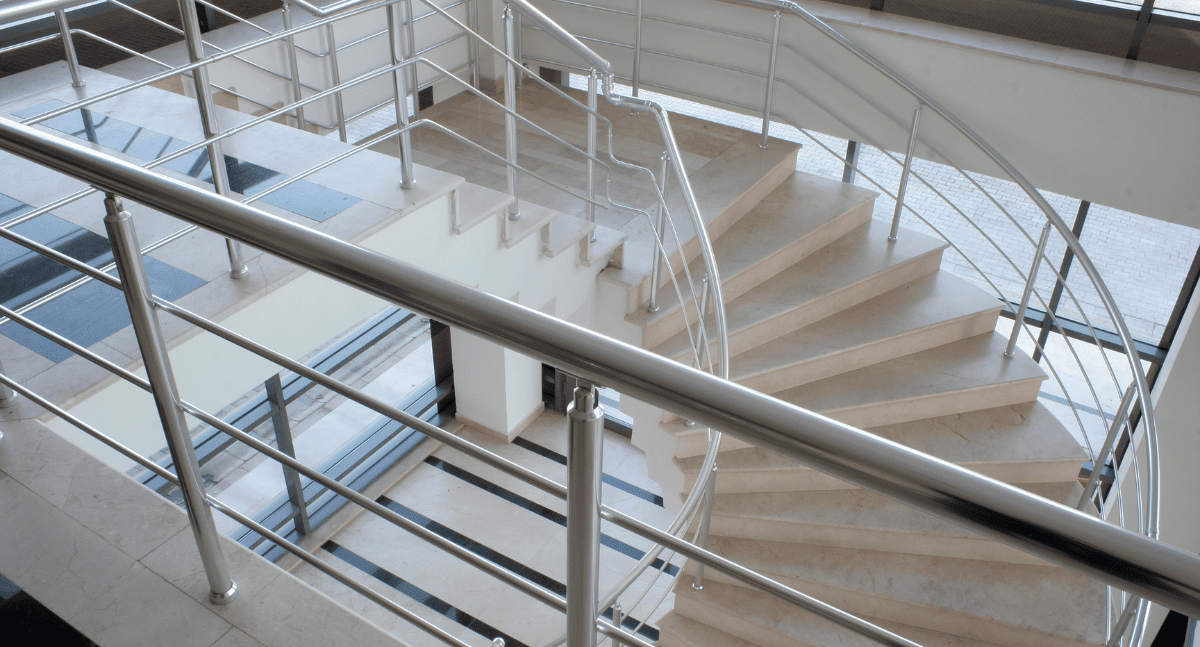
Inspecting railings and handrails according to international standards is the final step to ensure that a project is safe, durable, and aesthetically sound. Whether you are an investor, contractor, or architect, adhering to these standards not only protects users but also enhances the project’s reputation and value.
📌 CMC Architects brings expertise in design, manufacturing, and construction supervision following international standards—ready to deliver safe, stylish, and compliant railing and handrail solutions for every project.
💬 And you? Have you ever encountered non-compliant railing or handrail cases? Share your experiences or questions in the comments so we can discuss and learn together!