1. Why is the connection between these three departments so important?

In a construction project, the Design, Production, and Construction departments function like three links in a chain. If just one link becomes loose, the entire system can encounter problems: drawings may not align with reality, materials may fail to meet specifications, schedules may be delayed, and costs can escalate uncontrollably.
Have you ever heard the saying:
“A good design is not enough, accurate production is not enough, fast construction is not enough — everything must be synchronized.”
Exactly — smooth coordination between departments is the key to turning ideas into completed works that meet schedule, budget, and quality standards.
2. Common challenges when lacking coordination
-
Information breakdown: The design drawings are not updated promptly when changes occur, forcing the production workshop or construction team to handle issues on site.
-
Technical discrepancies: The manufactured components do not match the installation requirements.
-
Waste of cost & time: Even a small error can delay progress and increase costs significantly.
If these situations sound familiar, it’s time to build an “efficient connection chain.”
3. Key strategies to integrate three departments into a seamless chain

(1) Use the BIM model to synchronize information
BIM (Building Information Modeling) allows all parties to work from a single source of truth — every update is reflected in real time, minimizing the “some know, some don’t” risk.
(2) Hold cross-department meetings from the pre-project stage
When the design is still at the concept stage, invite representatives from production and construction to join. They can contribute insights on feasibility, materials, and real-world constraints, helping avoid mid-project redesigns.
(3) Standardize the process of information exchange
Don’t let drawings get lost through emails or Zalo messages. Establish a shared Document Management System with clear version control, responsibility assignments, and processing deadlines.
(4) Apply integrated project management software
Tools such as MS Project, Primavera, or internal software help everyone know exactly where they stand and which tasks should be prioritized.
(5) Build a “shared goal” culture
Instead of thinking “my part of the job,” cultivate the mindset of “completing the project together.” This requires leadership support and an environment that encourages open communication.
4. Benefits of effective collaboration

-
Reduce 40–60% of technical errors through unified information.
-
Shorten project duration by 15–30% by minimizing rework.
-
Save hundreds of millions of VND in additional costs.
-
Enhance company reputation and client satisfaction.
5. Conclusion & Call to Action
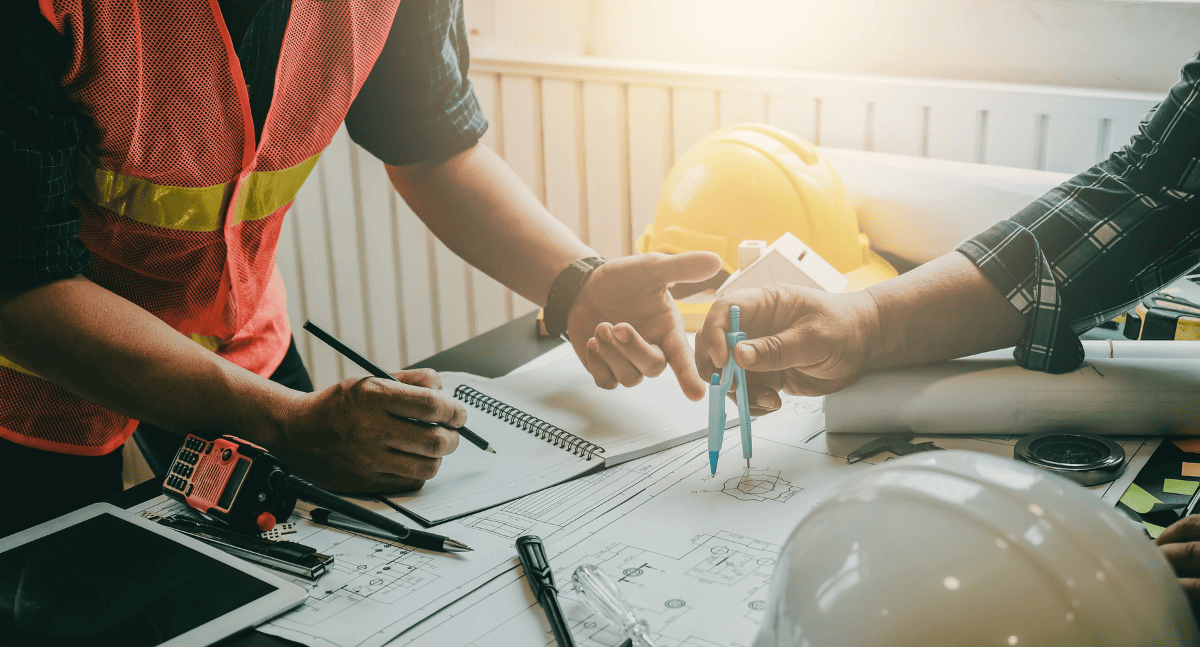
A successful project is not only about a good design or quality materials — it’s about the seamless coordination between Design, Production, and Construction.
And you?
Has your business truly optimized this coordination yet?
If not, start today — because every day of delay is a missed opportunity for improvement.
💬 Share in the comments: Have you ever faced a “communication breakdown” that affected your project?
Your story might help others avoid the same mistake!
📍 Address: 79A Xuan La, Tay Ho, Hanoi
📞 Hotline: 0936361299
📧 Email: cmc.vn1013@gmail.com
🌐 Website: https://cmcarchitects.com