Steel structures are a popular choice in industrial, factory, and even residential projects thanks to their strength, fast installation, and easy quality control. However, no matter how carefully designed or fabricated, a steel structure still requires periodic inspection to ensure durability, safety, and long-term lifespan.
So, which key areas should be inspected regularly? And why is this so important? Let’s explore with CMC Architects.
1. Weld joints – high-stress and high-risk points
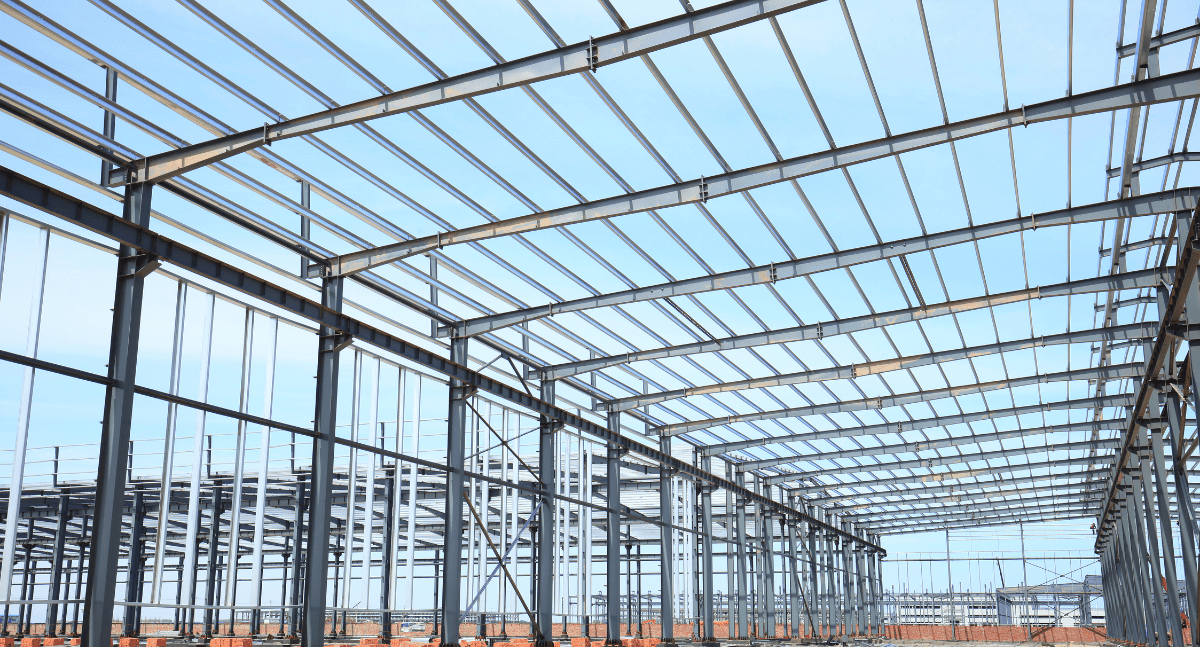
Weld joints are the “connections” of the entire structure. Even when executed correctly, they remain vulnerable to cracking, corrosion, or deformation over time due to weather, dynamic, and static loads. Inspecting welds helps to:
-
Detect potential cracks
Measure corrosion levels in harsh environments
Prevent collapse or local deformation incidents
👉 Are you conducting regular weld inspections on your structures?
2. Bolt connections – often overlooked elements
Bolts connect structural components such as columns, beams, and braces. Over time, they may loosen, break, or corrode – especially in humid or chemical environments.
Signs that bolts need periodic inspection:
Unusual sounds during vibration
Water stains around joints
Misalignment, tilting, or slight sagging in structure
🛠️ Tip: Use specialized torque tools to check tightness and safety levels.
3. Steel surfaces – the first protective layer
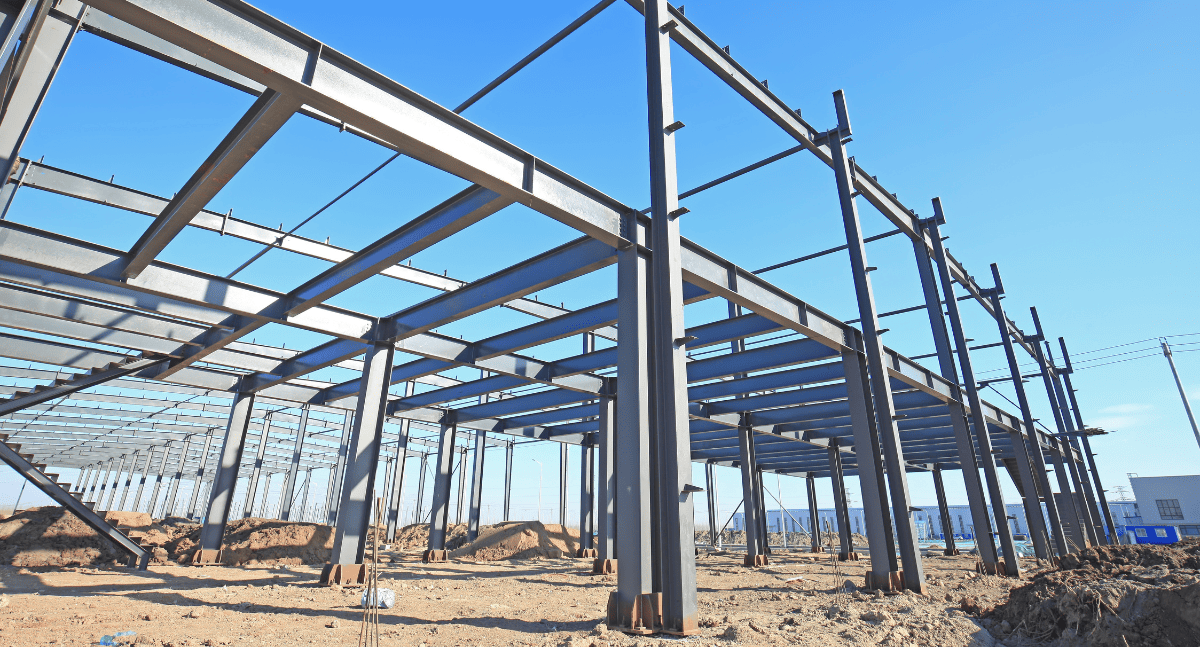
The steel surface – especially galvanized or anti-corrosion coated layers – acts as armor. Regular inspections help you detect early signs of:
Peeling or flaking coatings
Surface oxidation (rust)
Pitting corrosion holes
🔍 Don’t wait until rust spreads – perform inspections quarterly or seasonally.
4. Areas exposed to water or chemicals
Locations exposed to plumbing systems, chemicals, or coastal climates corrode faster. These are critical areas to inspect carefully:
Column bases in contact with the ground
Floor beams near restrooms or chemical plants
Cross braces near tanks or washing areas
🌧️ Note: These areas should be maintained every 6 months.
5. Areas under continuous vibration
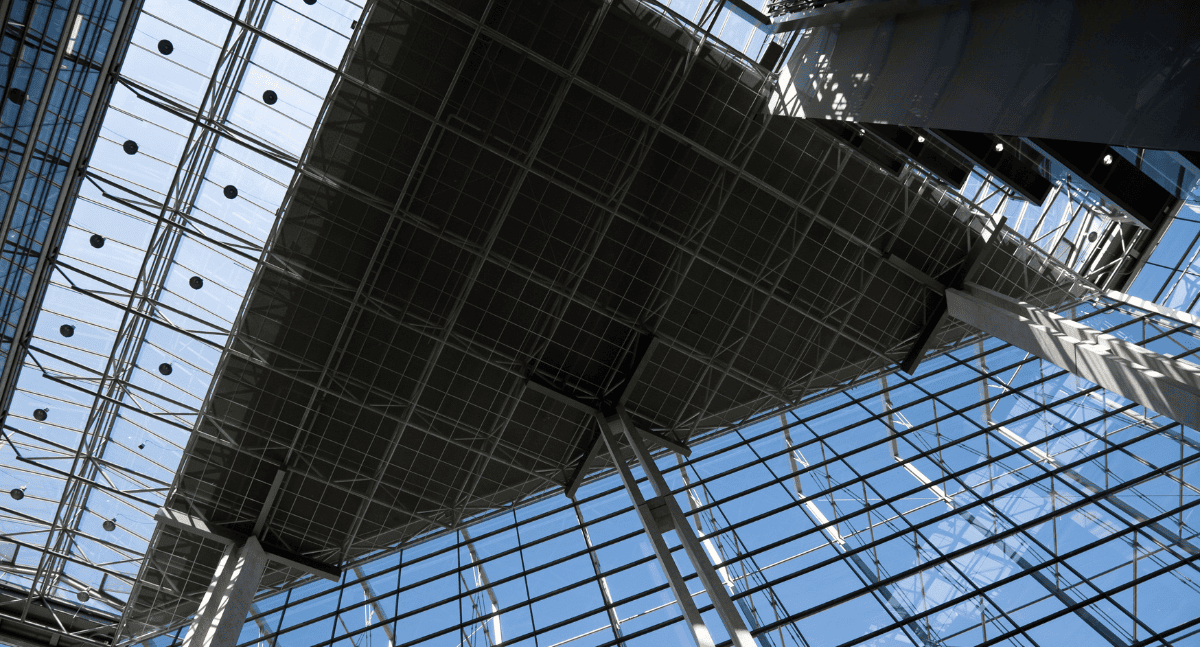
Industrial machines, exhaust fans, and water pumps create vibrations that can affect steel joints. Without regular inspections, connections may weaken and crack over time.
📌 Recommendation: Use vibration sensors at high-risk locations.
Periodic inspection – the insurance for your steel structure
Regular inspections not only help detect potential defects but also optimize maintenance costs and extend the structure’s lifespan. Don’t let small issues accumulate into major problems!
👉 Have you scheduled a periodic inspection for your project yet?
Leave a comment or contact CMC Architects – we’re ready to help you build an effective, cost-efficient, and technically compliant maintenance and inspection process.
Call to action (CTA):
📞 Contact us now for tailored periodic steel structure inspection advice for your project!
📩 Or leave your question below – our engineering team will respond as soon as possible.