When it comes to architectural design and construction, railings and handrails may be small details, but they play an extremely important role – not only in ensuring safety, but also contributing to the aesthetic value and overall consistency of the project.
In modern constructions today, steel railings and steel handrails are becoming a popular trend because of their durability, flexibility, safety and ease of construction. But do you understand the technical standards and practical applications of this material?
🔧 Steel railings and handrails – not just for “safety”
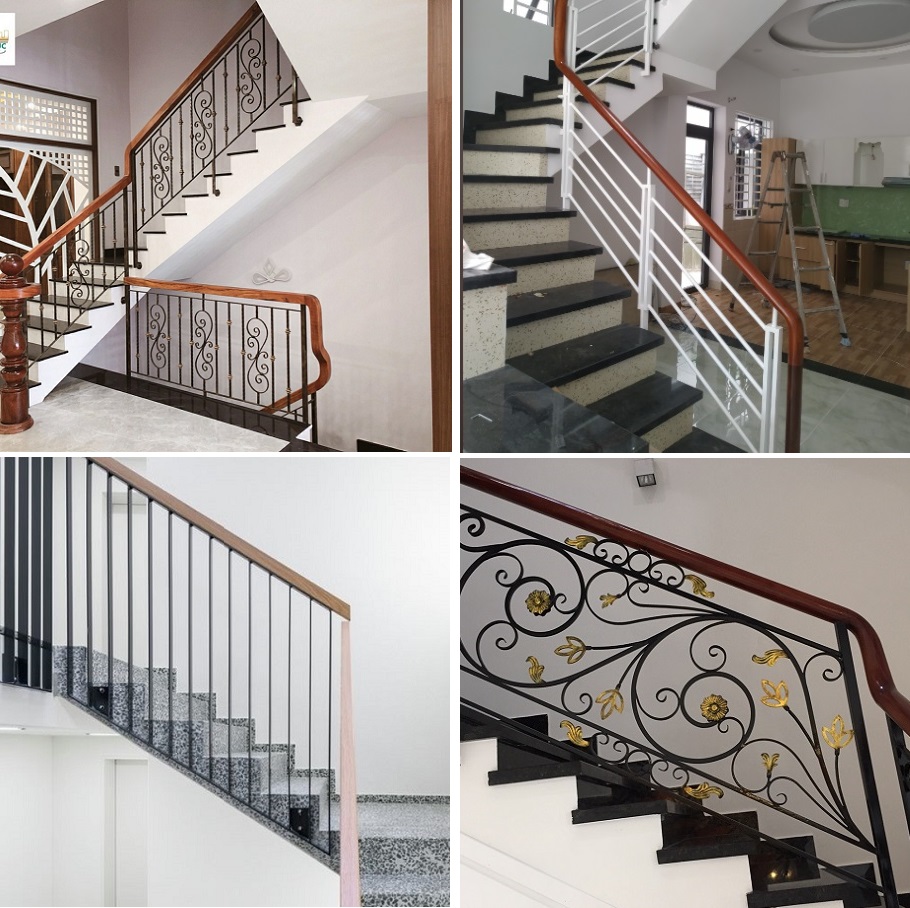
In the past, people often considered railings and handrails as an auxiliary part - just being strong was enough. But with the development of contemporary architecture, they are now an indispensable part of the overall design language.
From townhouses, villas, office buildings, to schools, hospitals, shopping centers - steel railings and metal handrails are increasingly proving their position thanks to their outstanding advantages:
- Good load-bearing capacity – durable over time
- Diverse designs – easy to customize according to design
- Fast construction – cost savings
- Modern aesthetics – suitable for many architectural styles
- Absolute safety – meets international inspection standards
📐 Technical standards you need to know when designing steel railings
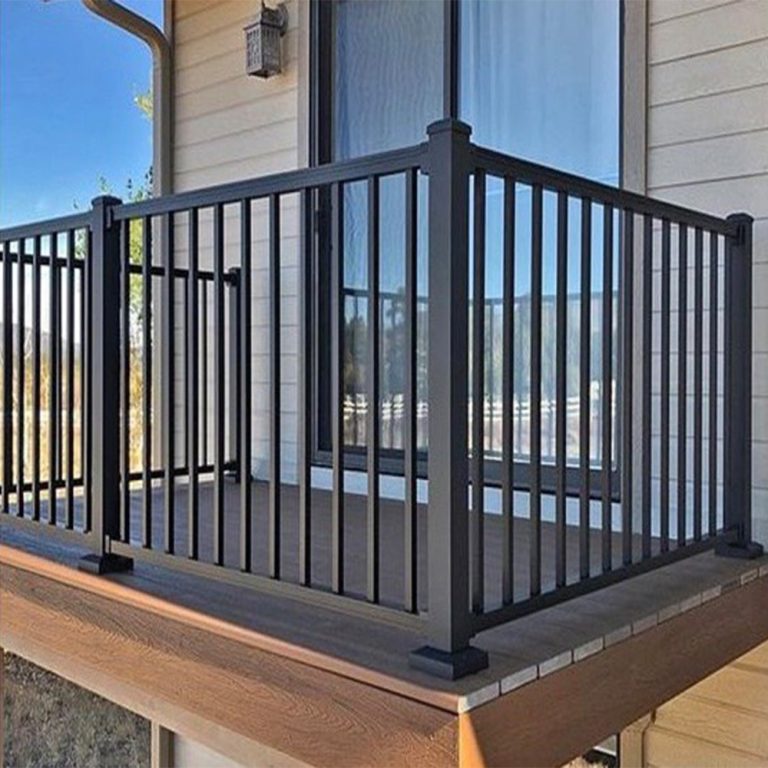
Below are the technical factors that must be followed if you want the project to meet standards and be safe in the long term:
1️⃣ Standard height
- Residential and apartment railings: Minimum 1.1m from the finished floor
- Low-rise balcony railings: Not less than 0.9m
- Rooftop, corridor, and stair railings: Depending on the location, but not lower than 1.0–1.1m
✅ Goal: Avoid falls, especially in young children
2️⃣Distance between vertical bars (or horizontal bars)
No more than 10–12 cm to prevent children from passing through the qualifying round
If using wire, glass or mesh, a stable tension and anti-stretch system is required
✅ Goal: Ensure safety and design consistency
3️⃣Material and surface treatment
Steel used for railings should be:
- Cube steel, steel pipe, CNC-cut steel plate or wrought iron
- Hot-dip galvanized and powder coated to prevent rust and weather
🌦️ Especially important for outdoor areas or near the sea
4️⃣Armrests – functional and convenient standards
Handrails should be:
- 3–5 cm in diameter, easy to grip
- Made of wood, stainless steel or powder coated steel depending on the design style
- Seamless, no sudden breaks, no sharp edges
🏗️ Practical application: From function to aesthetics
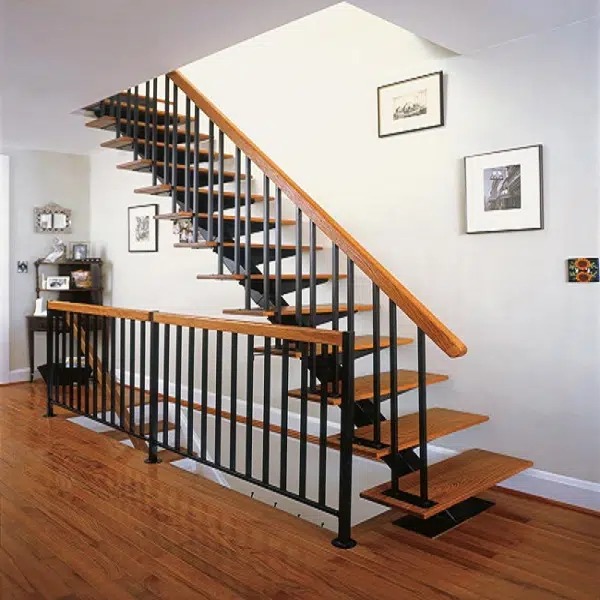
Steel railings and handrails do not stop at the safety function. In fact, they also contribute to creating an architectural mark for the entire project:
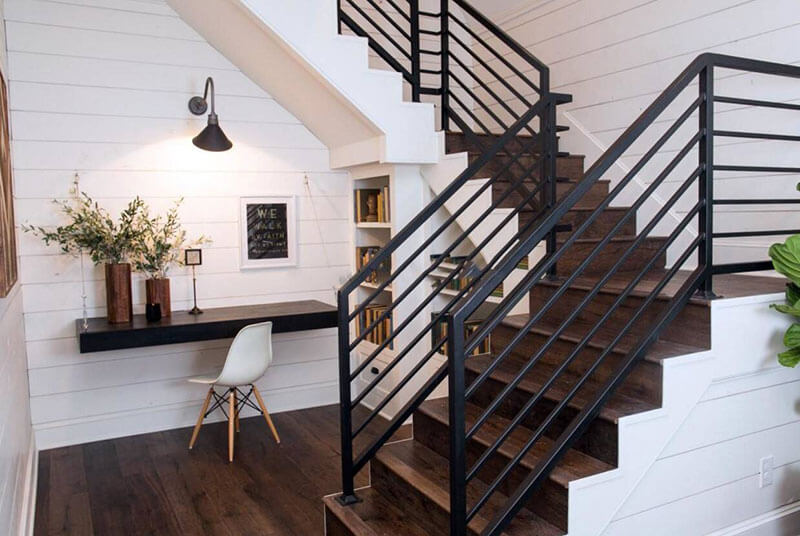
- Stair railing with sophisticated CNC motifs - creating a highlight for luxury townhouses
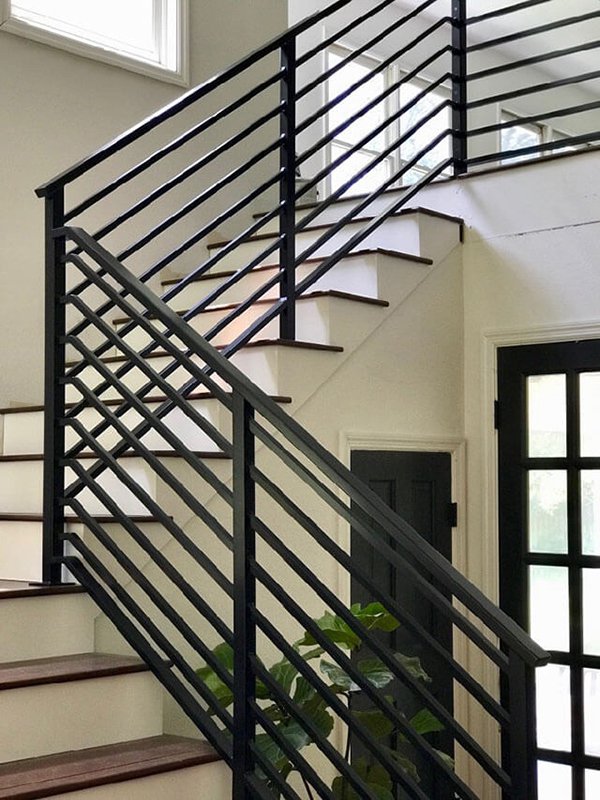
- Surface steel balcony railing - industrial, strong style
- Spiral staircase handrail made of steel pipes - soft, modern look
- Steel railing combined with tempered glass - creating a feeling of open space
💡 At CMC Architects, we always consult and design railings and handrails as part of the overall aesthetic strategy, not separate from the main architecture.
💬 How about you?
- Are you wondering about choosing the right railing material for your house or upcoming construction project?
- Do you need a solution that is both safe - aesthetic - durable, and cost-effective?
- Have you ever experienced a project where the handrail is shaky, rusty, and unsafe?
📩 Leave a comment below or contact CMC Architects, we will advise in detail and provide the most suitable solution for your needs.
📣
✅ Download the free handrail and railing design guide from CMC Architects
✅ Share this article if you find it useful – someone might need this information!
✅ Follow cmcarchitects.com to discover more safe and classy design solutions
Thông tin liên hệ
- 📞 Hotline: 0936361299
- 📧 Email: cmc.vn1013@gmail.com
- 🌐 Website: https://cmcarchitects.com/
- 📍 Address: 79A Xuan La, Tay Ho, Hanoi